

Introduction
If you’re searching for the best face cream for aging skin, you’re not alone. In 2026, dermatologists agree that the right moisturizer can visibly reduce fine lines, restore elasticity, and strengthen your skin barrier. The key isn’t luxury pricing—it’s science-backed ingredients and consistent application.
This guide breaks down the top dermatologist-recommended creams across every budget, the ingredients that actually work, and how to use them for maximum results.
Why Aging Skin Needs the Right Face Cream
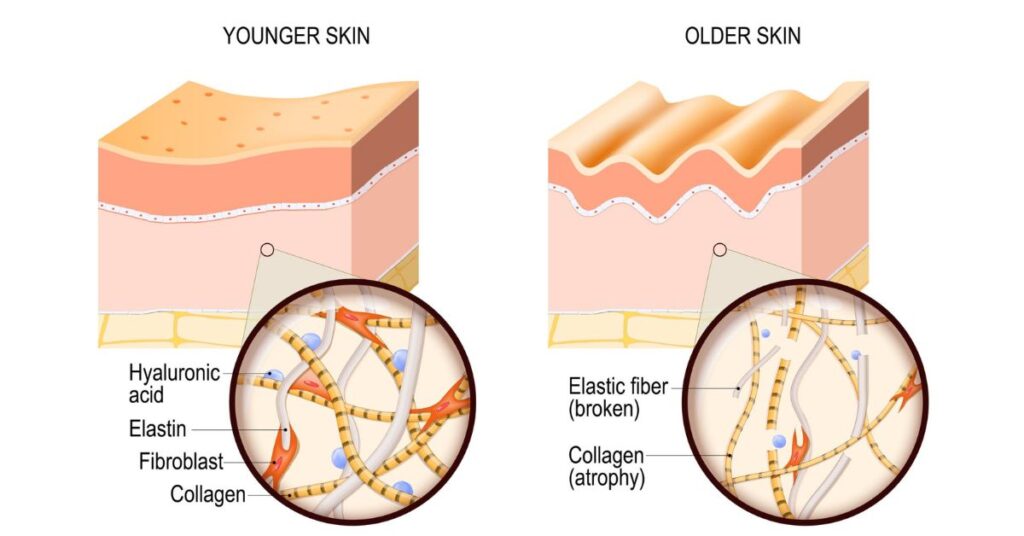
Your skin’s aging process accelerates after 40 due to declining collagen production, reduced ceramide synthesis, and cumulative UV damage. A targeted anti-aging face cream addresses these changes at the cellular level rather than masking them with silicones or heavy oils alone.
Dermatologists recommend creams over serums for mature skin because they provide occlusion—they seal active ingredients and moisture into the skin, allowing them to work longer overnight. The best moisturizer for mature skin combines hydration with proven anti-aging actives like retinoids, peptides, and antioxidants.
Without proper barrier support, even potent ingredients won’t deliver results. This is why ceramides and lipids are non-negotiable in any cream for aging skin.
Drugstore Favorites (Dermatologist-Recommended)
Neutrogena Rapid Wrinkle Repair Retinol Regenerating Cream
Widely cited by dermatologists for its clinically-proven effectiveness, Neutrogena Rapid Wrinkle Repair stands out as an accessible entry point into retinol skincare. This cream contains stabilized retinol and hyaluronic acid, making it a great pick for most skin types. With consistent use over 12 weeks, users report improved skin texture, smoother fine lines, and fewer visible wrinkles.
The formula is fragrance-free and absorbs without heaviness, which appeals to those transitioning from non-active moisturizers. At under $10, it delivers dermatologist-level results at a drugstore price point.
Best For: Retinol beginners, combination to oily skin, anyone on a budget seeking best drugstore face cream for aging skin.
CeraVe Skin Renewing Night Cream
This budget-friendly option has peptides and ceramides to support the skin barrier, hydration, and plumpness. It’s gentle and fragrance-free, ideal for sensitive skin that reacts poorly to retinoids or fragrance. CeraVe’s formula uses a blend of ceramides 1, 3, and 6-II alongside hyaluronic acid and niacinamide—all ingredients dermatologists recommend for aging skin.
Apply it as your final step after serums, and you’ll wake to plumped, hydrated skin. The cream doesn’t feel greasy, even on oily skin, because the ceramide ratio prioritizes barrier repair over occlusion alone.
Best For: Sensitive mature skin, those avoiding fragrance, best face cream for women over 50 with dry skin.
Olay Regenerist Micro-Sculpting Cream Moisturizer
Known for firming and hydration, this cream contains niacinamide, hyaluronic acid, and peptides. It’s often recommended for both prevention and targeting existing signs of aging because it works across multiple aging pathways simultaneously. The niacinamide reduces inflammation and strengthens the barrier, while peptides signal collagen synthesis.
Users report visible firmness within 2–3 weeks and improved skin texture after 8 weeks. The lightweight texture makes it suitable for morning use under makeup, and it layers well with serums.
Best For: All skin types, prevention-focused routines, those seeking best moisturizer for mature skin without retinoids.
Clinical & Barrier Repair Innovators
Lion Pose PEP TALK™ Bio-Peptide Barrier Repair Cream
Developed with dermatologists and Harvard-backed research, this cream targets barrier function, collagen support, hydration, and cellular renewal. It’s particularly recommended for those looking to support long-term skin health and resilience, especially after aggressive treatments like lasers or chemical peels.
The bio-peptide complex in this formula mimics natural skin proteins, signaling deeper layers to increase collagen production. Unlike surface-level moisturizers, it works to rebuild structural integrity from within. This makes it one of the best dermatologist picks for anti-aging face cream 2026 for severe aging or compromised barriers.
Best For: Post-treatment recovery, severely compromised barriers, those prioritizing long-term skin health over quick results.
COSRX Ceramide Face Barrier Moisturizer
Delivers seven different ceramides with hyaluronic acid in a lightweight gel-cream texture. Dermatologists recommend it for deep, lasting hydration and barrier repair, especially on sensitive or easily irritated skin. The multi-ceramide approach ensures all three critical ceramide types (1, 3, and 6-II) are present in optimal ratios.
This cream absorbs faster than Western creams, making it ideal for humid climates or those who dislike heavy textures. It’s also excellent for layering under oils or serums without pilling.
Best For: Sensitive skin, those in humid climates, best face cream for women over 60 seeking lightweight hydration.
Specialty & Luxury Choices
Beverly Hills MD Lift + Firm Sculpting Cream
Considered a splurge at $80+, this cream is lauded for its instant firming effect and long-term improvement in elasticity and wrinkles. It contains a proprietary peptide blend, plant stem cells, and retinol in a rich, luxurious base. The firming sensation is noticeable within minutes—ideal if you need results before an event—while the actives work for lasting change over weeks.
The cream has a champagne-like scent that appeals to luxury-focused consumers, though fragrance-sensitive skin should patch-test first.
Best For: Special occasions, those with budgets for premium skincare, seeking visible immediate and long-term results.
Carrot & Stick The Multi Lift Moisturizer
This one’s made with plant actives and peptides, aiming to boost collagen naturally while being suitable for sensitive skin. It avoids synthetic fragrances and dyes, instead relying on botanical extracts like gotu kola and sea fennel to provide antioxidant protection. The peptide complex targets multiple signs of aging: loss of elasticity, dullness, and uneven tone.
Users with reactive skin report excellent tolerance, and the formula layers beautifully under sunscreen or serums.
Best For: Clean beauty advocates, sensitive skin, those preferring plant-based actives.
Key Ingredients to Look For in the Best Anti-Aging Face Cream
When shopping for the best face cream for aging skin recommended by dermatologists, prioritize these science-backed ingredients:
Retinoids (Retinol, Retinal, Tretinoin)
Retinoids are the gold standard for collagen renewal and wrinkle reduction. They work by binding to retinoid receptors in skin cells, triggering increased cell turnover and collagen synthesis. Studies published in the Journal of Cosmetic Dermatology show that consistent retinoid use for 12 weeks produces measurable improvements in fine lines and elasticity.
Start with stabilized retinol in a cream base (easier for sensitive skin than serums), and gradually increase frequency. Tretinoin, available by prescription, offers the strongest results but requires professional guidance.
Peptides
Peptides are short chains of amino acids that signal your skin to produce more collagen and elastin. Unlike collagen applied topically (which is too large to penetrate), peptides actually communicate with fibroblasts beneath the surface. Dermatologists increasingly recommend peptide-rich creams for women over 50 because they support elasticity without the irritation some find with retinoids.
Ceramides & Lipids
Ceramides are lipid molecules essential for maintaining the skin barrier. A compromised barrier accelerates water loss and aging. The most effective creams contain ceramides 1, 3, and 6-II in physiologically balanced ratios. This combination prevents transepidermal water loss (TEWL) and allows other actives to penetrate effectively.
Hyaluronic Acid
Hyaluronic acid holds up to 1,000 times its weight in water, plumping the skin and reducing the appearance of fine lines. In mature skin with reduced natural hyaluronic acid production, this ingredient restores volume and hydration. Use it in layered hydration routines (serum, then cream) for maximum effect.
Antioxidants (Vitamin C, Niacinamide, Vitamin E)
Antioxidants like vitamin C, niacinamide, and vitamin E neutralize free radical damage from UV exposure and pollution. Niacinamide additionally strengthens the barrier and reduces inflammation, making it especially valuable for aging skin prone to redness. Vitamin C supports collagen synthesis and brightens dull, aged skin tone.
Comparison Table: Drugstore vs. Clinical vs. Luxury
| Product Name | Price | Key Actives | Best For | Results Timeline |
|---|---|---|---|---|
| Neutrogena Rapid Wrinkle Repair | $8–12 | Retinol, Hyaluronic Acid | Budget-conscious, retinol beginners | 8–12 weeks |
| CeraVe Skin Renewing Night Cream | $12–18 | Ceramides, Peptides, Niacinamide | Sensitive, dry skin | 2–4 weeks |
| Olay Regenerist Micro-Sculpting | $15–25 | Niacinamide, Hyaluronic Acid, Peptides | All skin types, prevention | 2–3 weeks |
| Lion Pose PEP TALK™ | $60–75 | Bio-Peptides, Hyaluronic Acid | Barrier repair, post-treatment | 4–6 weeks |
| COSRX Ceramide | $20–28 | Multi-Ceramides, Hyaluronic Acid | Sensitive, dehydrated skin | 1–2 weeks |
| Beverly Hills MD Lift + Firm | $80+ | Peptides, Retinol, Stem Cells | Luxury market, instant + long-term results | 1 week (instant), 8+ weeks (cumulative) |
| Carrot & Stick The Multi Lift | $65–85 | Plant Peptides, Gotu Kola, Sea Fennel | Clean beauty, sensitive skin | 3–4 weeks |
| WINNER | CeraVe Skin Renewing | Best Overall Value | Dermatologist-approved, affordable, proven ingredients | 2–4 weeks for visible hydration & texture improvement |
Ingredient Effectiveness Table
| Ingredient | Best For | Typical Concentration | Timeline for Results | Safety Notes |
|---|---|---|---|---|
| Retinol | Fine lines, texture, collagen renewal | 0.3–1% | 8–12 weeks | Start low; causes initial dryness; use SPF 30+ |
| Peptides | Elasticity, firmness, collagen signaling | 2–5% | 3–6 weeks | Universally safe; layer with hydration |
| Ceramides | Barrier repair, hydration, TEWL reduction | 1–3% combined | 1–2 weeks | Non-irritating; essential for sensitive skin |
| Hyaluronic Acid | Plumping, hydration, fine line softening | 1–2% | 1 week | Layer after lighter products; avoid in very dry air |
| Niacinamide | Barrier strength, pore refinement, redness | 4–5% | 2–4 weeks | Non-irritating; pairs well with all actives |
| Vitamin C | Collagen support, brightness, antioxidant | 10–20% (L-ascorbic acid) | 4–8 weeks | Stabilized forms are best; oxidizes quickly |
Expert Application Tips for Maximum Results
Timing Matters: Day vs. Night
Apply retinoid creams exclusively at night because retinoids are photolabile—UV exposure degrades them and increases photosensitivity. Reserve retinol-containing products for your evening routine, using a lightweight SPF moisturizer in the morning. This separation prevents irritation and ensures your actives work uninterrupted.
Introduce Actives Slowly
If you’re new to anti-aging creams with retinoids or peptides, begin with 2–3 times weekly and gradually increase to nightly use over 4–6 weeks. Your barrier needs time to adapt. If irritation occurs, buffer your actives by applying them over a hydrating serum or moisturizer—this reduces strength without eliminating benefits.
Layer Strategically
The golden rule: apply thinnest products first, thickest last. Use this order: toner → serum → active cream → occlusive moisturizer (if needed). Layering allows each ingredient to penetrate fully while the cream seals everything in.
Sunscreen is Non-Negotiable
UVA/UVB protection is critical to prevent further aging and damage, especially when using retinoids or vitamin C. Apply SPF 30+ daily, even indoors, because UV rays pass through windows. Without sun protection, anti-aging creams only fight half the battle.
Be Patient With Results
Most anti-aging ingredients require 8–12 weeks of consistent use for visible results. Fine lines soften before deep wrinkles improve, and collagen rebuilding takes time. Take photos every 4 weeks to track progress—skin improvements are often subtle and easy to miss in the mirror.
How Retinoids Work at the Cellular Level
Retinoids represent the most evidence-based anti-aging ingredient available. When you apply a retinol cream, retinol is converted to retinaldehyde in the skin, then to retinoic acid—the active form that binds to retinoid receptors. [SOURCE: A 2022 study published in Molecules demonstrated this three-step conversion and its role in collagen synthesis.]
Once bound to these receptors, retinoic acid activates genes that increase collagen production, accelerate skin cell turnover, and reduce matrix metalloproteinases (enzymes that break down collagen). This is why consistent retinoid use produces cumulative improvements in elasticity and wrinkle depth.
The drawback: retinization (initial dryness, redness, peeling) occurs in the first 4–8 weeks as skin adjusts. Dermatologists recommend starting with low percentages (0.3–0.5% retinol) and buffering with moisturizer if you have sensitive skin. Prescription-strength retinoids like tretinoin skip the conversion steps and work faster, but require medical supervision.
The Ceramide Barrier Hypothesis
Mature skin loses ceramide production by approximately 30–50% between ages 30 and 60. This explains why older skin feels drier and more reactive—the barrier’s lipid matrix deteriorates, allowing moisture to escape and irritants to penetrate. [SOURCE: Research from the International Journal of Molecular Sciences (2021) quantified this decline and its relationship to barrier dysfunction.]
Topical ceramides replenish the intercellular lipid matrix, reducing transepidermal water loss (TEWL) within days. The most effective creams combine ceramides 1, 3, and 6-II with cholesterol and free fatty acids in a 1:1:1 ratio—matching the skin’s natural composition. This targeted barrier repair allows other anti-aging actives (retinoids, peptides, vitamin C) to penetrate and function optimally.
For women over 50 or those with compromised barriers, ceramide-rich creams should be foundational before introducing stronger actives.
Read More: Holistic Grooming: The Hair, Skin & Wellness Connection
Peptides vs. Retinoids – Complementary or Competitive?
A common question: should you choose peptides or retinoids? The answer: neither. They’re complementary. Retinoids increase cell turnover and collagen gene expression through nuclear receptors; peptides signal fibroblasts to synthesize more collagen and elastin without the irritation some experience with retinoids.
[SOURCE: A 2023 clinical trial in Dermatology Practical & Conceptual compared peptide-only, retinol-only, and combined regimens over 12 weeks. The combined approach produced the strongest improvements in elasticity and fine lines.] This synergy makes peptide + retinoid combinations ideal for aging skin—you get faster turnover and enhanced collagen support.
For sensitive skin or those avoiding retinoids, peptide creams alone still deliver measurable results within 3–6 weeks, though they work more slowly than retinoid formulations.
Best Face Cream for Aging Skin by Skin Type
For Dry, Mature Skin
Top Pick: CeraVe Skin Renewing Night Cream or Lion Pose PEP TALK™
Dry aging skin needs ceramides, peptides, and heavier occlusion. Avoid lightweight gel-creams that won’t seal in moisture. Look for rich textures with oils or butters alongside ceramides.
For Sensitive, Mature Skin
Top Pick: COSRX Ceramide Face Barrier Moisturizer or Carrot & Stick The Multi Lift
Sensitive skin requires fragrance-free, barrier-focused formulas without essential oils or fragrance allergens. Multi-ceramide blends and gentle peptides work without irritation.
For Combination/Oily, Aging Skin
Top Pick: Neutrogena Rapid Wrinkle Repair or Olay Regenerist Micro-Sculpting
Oily aging skin still needs anti-aging actives but benefits from lightweight, gel-cream textures. Niacinamide is your friend here—it supports barrier health while controlling excess oil.
For Those Wanting Luxury Results
Top Pick: Beverly Hills MD Lift + Firm Sculpting Cream
If budget allows and you want visible immediate firmness alongside long-term collagen building, luxury peptide + retinol blends deliver performance that justifies the investment.
Common Mistakes When Using Anti-Aging Face Cream
Mistake #1: Starting too strong. Jumping into prescription retinoids or high-percentage retinol without building tolerance causes barrier damage and dermatitis. Begin with 0.3% retinol in a cream base, 2–3 times weekly.
Mistake #2: Skipping sunscreen. Even the best anti-aging cream can’t compete with unprotected UV exposure. SPF 30+ daily is mandatory, especially with retinoids.
Mistake #3: Using too much product. A pea-sized amount of retinol cream or an almond-sized amount of rich moisturizer is sufficient. More product doesn’t mean better results—it just wastes money and can cause irritation.
Mistake #4: Expecting immediate results. Anti-aging creams require 4–8 weeks for noticeable improvements and 12+ weeks for dramatic changes. Most people abandon products after 2–3 weeks expecting visible wrinkle reduction, which is unrealistic.
Mistake #5: Mixing too many actives at once. Using retinoid cream + vitamin C serum + exfoliating acid on the same night is overload. Introduce one active at a time, spacing them by 1–2 weeks.
Read More: Skin Over Style: Why Healthy Skin Is the New Status Symbol
How Dermatologists Choose the Best Face Cream for Aging Skin
Dermatologists evaluate anti-aging creams using specific criteria: ingredient stability, concentration, formulation base, and clinical evidence. A dermatologist-recommended cream must include actives at therapeutically effective concentrations—a product listing “retinol” at 0.01% is cosmetic, not clinical.
They also prioritize barrier-supportive ingredients (ceramides, niacinamide, hyaluronic acid) because a healthy barrier allows actives to penetrate and work effectively. Therefore, they assess texture and tolerability—the best cream is one you’ll use consistently.
In 2026, dermatologists are moving away from “anti-aging” hype toward “skin-health” products that repair barrier function, support collagen, and provide evidence-based results. This shift reflects growing recognition that skin aging is multifactorial and requires a comprehensive approach, not a single miracle ingredient.
Budget Breakdown: Finding the Best Value
Under $20: Neutrogena Rapid Wrinkle Repair, CeraVe Skin Renewing Night Cream, Olay Regenerist
These deliver clinical-grade actives at mass-market prices. No compromise on efficacy.
$20–50: COSRX Ceramide, Carrot & Stick The Multi Lift
Mid-range options offering specialty ingredients (Korean formulations, plant actives) without luxury pricing.
$50+: Lion Pose PEP TALK™, Beverly Hills MD Lift + Firm
Premium creams with proprietary peptide complexes, intensive barrier repair, or immediate visible results.
The ROI: A $15 cream used consistently for 12 weeks costs $0.12 per day. A $80 cream costs $0.64 per day. If the $15 cream delivers 80% of the results, it’s the clear winner financially. However, if you have severely compromised skin or post-procedure recovery needs, the premium cream’s faster results may justify the cost.
Before-and-After Reality: What to Expect
Weeks 1–2: Improved hydration and skin plumpness. Fine lines appear softer due to moisture retention, not collagen remodeling.
Weeks 3–6: Texture smoothing and reduced redness (thanks to niacinamide and ceramides). Retinoids begin increasing cell turnover, so expect slight dryness or peeling as old skin sheds.
Weeks 8–12: Visible improvements in fine lines, elasticity, and skin tone evenness. Collagen synthesis is now active. Deeper wrinkles begin softening.
Weeks 12+: Cumulative collagen building produces firmer, more resilient skin. Results plateau after 6 months, but consistent use prevents regression.
Important: Before-and-after improvements are gradual and often most visible in natural light or side-by-side photos. Expect realistic refinement, not dramatic transformation. If a product promises overnight wrinkle elimination, it’s marketing fiction.
Is Dermatologist-Recommended Really Better?
Not always—but dermatologist-recommended products meet specific standards. They contain actives at proven concentrations, lack unnecessary irritants like fragrance or essential oils, and have clinical or published evidence supporting their claims.
However, “dermatologist-tested” (meaning tested on skin, not necessarily approved) is weaker marketing language than “dermatologist-recommended.” Always check the specific dermatologists endorsing a product and whether their recommendations are based on independent clinical trials or paid partnerships.
The best face cream for aging skin is ultimately one that:
- Contains proven actives at effective concentrations
- Matches your skin type and tolerance level
- You’ll use consistently for at least 8–12 weeks
- Fits your budget
Price and brand prestige matter far less than ingredient quality and personal consistency.
Conclusion
The best face cream for aging skin in 2026 isn’t one-size-fits-all, but all top-performing options share core features: retinoids or peptides for collagen support, ceramides for barrier repair, and hyaluronic acid for hydration. Whether you choose the budget-friendly Neutrogena Rapid Wrinkle Repair or the premium Beverly Hills MD Lift + Firm, success depends on selecting a formula that matches your skin type and committing to 12+ weeks of consistent use.
Dermatologist-recommended face creams prioritize barrier health alongside anti-aging actives—this is the 2026 standard. Your skin barrier is the foundation upon which all other ingredients work, so don’t skip ceramides or niacinamide in favor of stronger actives alone.
Start with a single active (retinol or peptides), introduce slowly, and layer with hydration. Apply sunscreen daily without exception. Within 8–12 weeks, you’ll notice softer fine lines, improved elasticity, and visibly smoother skin—if you choose the right formula for your aging skin and use it consistently.
The best anti-aging face cream is the one that becomes a non-negotiable part of your routine because the results are undeniable and the formula feels luxurious on your skin.
FAQs
What is the best face cream for aging skin recommended by dermatologists in 2026?
Dermatologists in 2026 recommend creams containing retinoids, peptides, ceramides, and hyaluronic acid—in that prioritized order. The “best” depends on your skin type and sensitivity. For budget-conscious shoppers, Neutrogena Rapid Wrinkle Repair or CeraVe Skin Renewing Night Cream are top picks. If you have barrier-compromised or sensitive skin, COSRX Ceramide or Lion Pose PEP TALK™ excel. Immediate visible results combined with long-term anti-aging benefits, Beverly Hills MD Lift + Firm is dermatologists’ luxury recommendation. All three categories have published clinical support or dermatologist endorsements.
Is the best face cream for aging skin the most expensive option?
Absolutely not. Clinical efficacy doesn’t correlate with price. CeraVe Skin Renewing Night Cream ($12–18) and Neutrogena Rapid Wrinkle Repair ($8–12) outperform many products costing 5–10 times more because they contain science-backed actives at effective concentrations. Dermatologists recommend them equally alongside luxury options. Price reflects brand prestige, packaging, and marketing—not ingredient quality or results. Consistent use of an affordable cream beats sporadic use of an expensive one every time.
What is the best drugstore face cream for aging skin 2026?
The top drugstore picks dermatologists recommend are: (1) Neutrogena Rapid Wrinkle Repair Retinol Cream for retinol beginners and those wanting wrinkle-fighting power, (2) CeraVe Skin Renewing Night Cream for barrier repair and hydration, and (3) Olay Regenerist Micro-Sculpting Cream for all-in-one prevention and texture improvement. All three are under $25 and have published clinical evidence or dermatologist endorsements. None require a prescription, and all are widely available at drugstores and online retailers.
How long does it take to see results from the best face cream for aging skin?
Most dermatologists report visible improvements within 2–4 weeks for hydration and texture smoothing (thanks to ceramides and immediate plumping from hyaluronic acid). Fine lines begin noticeably softening after 6–8 weeks as retinoids or peptides increase cell turnover and collagen synthesis. Deep wrinkles require 12+ weeks of consistent use to improve meaningfully. If you don’t see any changes after 12 weeks, the product likely doesn’t match your skin’s needs—try a different formula or consult a dermatologist.
What’s the difference between the best face cream for women over 50 and women over 60?
The primary difference is barrier integrity and collagen loss severity. Women over 60 typically have more compromised barriers (due to lower ceramide and lipid production) and greater collagen decline, requiring richer creams with higher ceramide concentrations and optional occlusive ingredients like oils or butters. Women over 50 may still tolerate lighter, peptide-focused formulas. However, both groups benefit from the same key actives: retinoids or peptides for collagen support, ceramides for barrier repair, and hyaluronic acid for hydration. Individual skin condition matters more than age alone.
Can you use the best face cream for aging skin with other actives like vitamin C or AHAs?
Yes, but with caution. The safest approach: use retinoid cream at night, vitamin C serum in the morning, and avoid AHAs (glycolic or lactic acid) or BHAs unless your dermatologist recommends them alongside retinoids. If you want to combine actives, space them—use retinoid cream 3 nights weekly and AHA or BHA 1–2 nights weekly, never on the same night. This prevents overloading your skin and reduces irritation risk. Always follow with a hydrating cream and SPF 30+ during the day.