

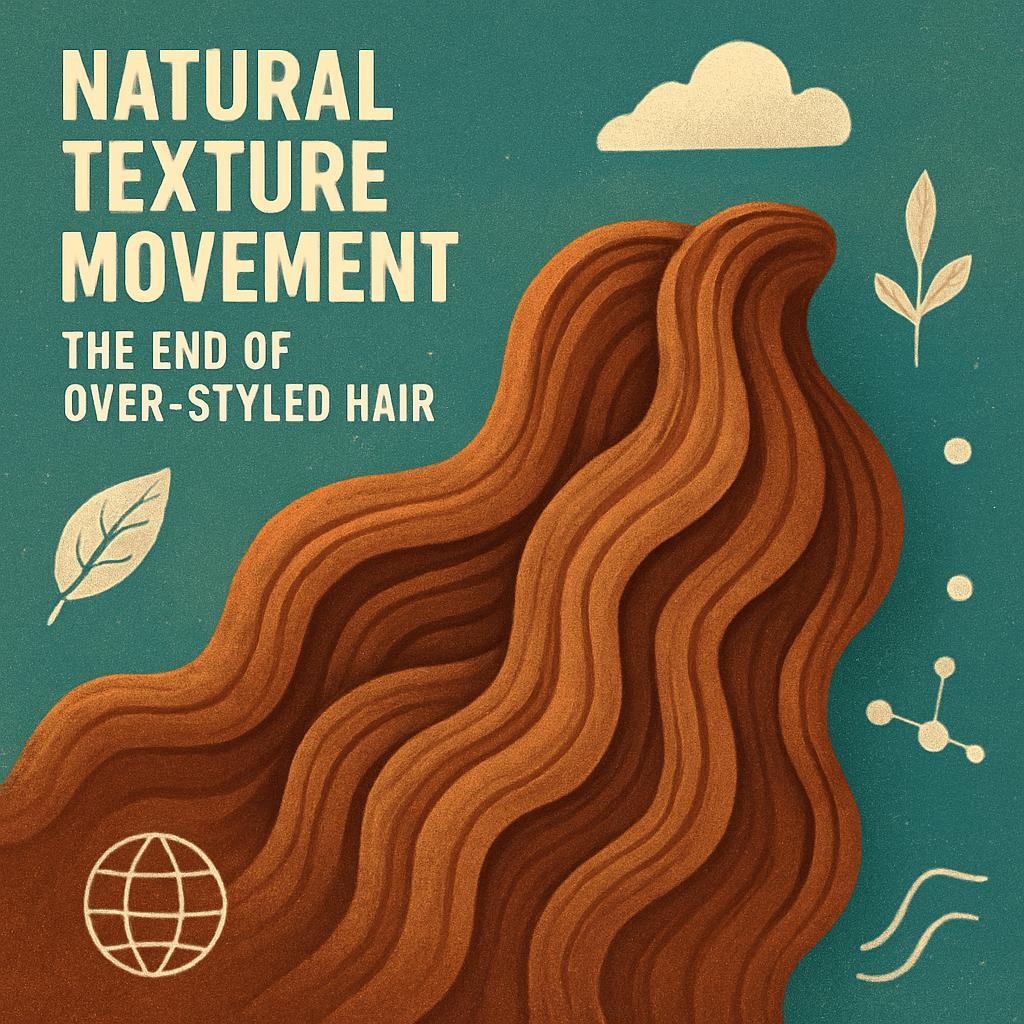
In a world once obsessed with sculpted perfection and meticulously crafted hairstyles, a quiet revolution is unfolding—one that celebrates the effortless charm of natural texture movement. The era of over-styled hair, rigid and rehearsed, is gradually giving way to an inspiring return to authenticity. This shift invites us to embrace the unique flow and character of our hair, letting it move freely and tell its own story. As natural texture takes center stage, the pursuit of beauty becomes less about control and more about honoring the inherent artistry found in every strand.
Embracing Authenticity Through Natural Texture
In a world that often idolizes polished perfection, allowing your hair to reveal its natural state is a bold declaration of self-acceptance. Hair, in its purest form, tells a story—one of individuality, heritage, and resilience. Embracing natural texture is more than just a beauty trend; it’s a movement that invites us to celebrate every curl, wave, and coil as a unique expression of our inner selves. This authentic approach encourages a shift away from rigid styling routines toward a more intuitive and joyful relationship with hair care.
The journey to loving natural texture can be liberating and transformative. It promotes a sense of freedom by rejecting the pressure to conform to mainstream beauty standards. Here are some empowering benefits embraced by those who cherish their natural hair:
- Less damage: Minimal heat and chemical exposure help maintain hair health.
- Time-saving: Simplified routines free up time and reduce stress.
- Environmental impact: Fewer styling products mean a smaller ecological footprint.
- Confidence boost: Truly embracing your natural look nurtures self-love and authenticity.
| Hair Type | Natural Features | Care Tip |
|---|---|---|
| Wavy | Soft S-shaped waves | Use lightweight moisture products |
| Curly | Defined springy curls | Deep conditioning regularly |
| Coily | Tight zigzag coils | Seal moisture with natural oils |
The Science Behind Hair Movement and Health
Hair movement is fundamentally influenced by the unique structure of each strand. Each hair is composed of three layers: the cuticle, cortex, and medulla, which interact to determine flexibility, strength, and texture. The cuticle’s overlapping scale-like cells protect the inner layers and play a crucial role in how hair responds to environmental factors and styling. Natural texture allows hair to flow dynamically with its inherent elasticity, encouraging movement without strain or damage from excessive heat or product use. This intelligent design enables hair to return to its natural state after being manipulated, fostering healthier strands over time.
Understanding the biological rhythm of hair growth and moisture retention enhances the appreciation for texture-driven styling. Here’s how natural movement and health interconnect:
- Elasticity: Hair’s ability to stretch and revert prevents breakage when embracing natural styles.
- Moisture Balance: The cortex retains essential water molecules, crucial for lively, bouncy hair.
- Cuticle Integrity: Proper care maintains a smooth cuticle, maximizing shine and softness.
| Hair Component | Function | Effect on Movement |
|---|---|---|
| Cuticle | Protects cortex, maintains moisture | Enables smooth glide and natural flow |
| Cortex | Provides strength and elasticity | Determines flexibility and bounce |
| Medulla | Core component, varies in thickness | Influences volume and density |
Simple Techniques to Enhance Your Hair’s Natural Flow
Achieving effortless hair movement starts with embracing your hair’s inherent texture rather than fighting against it. One of the simplest ways to encourage natural flow is to use lightweight products like leave-in conditioners or texture sprays that enhance your hair’s pliability without weighing it down. Avoid heavy gels or creams that create stiffness and instead, opt for formulas that promote flexibility and bounce. Additionally, adopting a gentle drying method, such as air drying or using a diffuser on low heat, helps maintain your hair’s natural pattern and prevents frizz from disrupting the movement.
Incorporating regular scalp massages into your routine can also stimulate circulation, encouraging healthy growth and enhancing the hair’s natural rhythm. Consider the following quick techniques:
- Using fingertips to apply gentle pressure in circular motions
- Massaging for 3-5 minutes during shampooing
- Incorporating nourishing oils like rosemary or peppermint for added stimulation
| Technique | Benefit | Ease of Use |
|---|---|---|
| Lightweight Texture Sprays | Enhances movement without heaviness | Simple |
| Air Drying | Preserves natural waves and curls | Effortless |
| Scalp Massage | Boosts scalp health and growth | Quick and relaxing |
Styling Products That Support Rather Than Suppress
Embracing your hair’s natural movement means choosing products that enhance, not erase, its inherent qualities. Lightweight formulas with nourishing ingredients like aloe vera, jojoba oil, or shea butter work to amplify texture without weighing strands down. These products act as gentle supporters, encouraging waves, curls, and coils to bounce freely instead of being forced into unnatural shapes. Opt for leave-in conditioners, curl creams, or refreshing mists that add moisture and definition without stiffness or residue.
Look for styling aids that celebrate diversity in texture through subtle hold and flexibility. Here’s a quick guide to product categories that foster natural movement:
- Water-based gels: Provide soft hold with a natural sheen
- Creams and mousses: Enhance volume and shape while retaining softness
- Texturizing sprays: Add grit and separation for effortless style
- Light oils: Seal moisture and boost shine without greasiness
| Product Type | Key Benefit | Best For Hair Texture |
|---|---|---|
| Lightweight Curl Cream | Defines curls, prevents frizz | Wavy to curly |
| Hydrating Leave-in Spray | Refreshes and softens | All textures |
| Sea Salt Texturizer | Adds natural grit and volume | Straight to wavy |
| Nourishing Hair Oil | Enhances shine and softness | Coarse and curly |
Cultivating Confidence with Effortless Everyday Looks
Unlocking a fresh sense of self-assurance begins with embracing the beauty of natural hair texture rather than masking it with heavy products and endless styling tools. When hair is allowed to move freely with its innate rhythm, it becomes a powerful statement of individuality and ease. This gentle approach not only saves time but also promotes healthier strands, reducing breakage and fading caused by relentless heat exposure. By celebrating subtle waves, soft curls, or straight strands as they are, you can cultivate a look that feels authentic and effortlessly chic every day.
Adopting a simplified hair routine often involves key habits that help maintain natural flow and vitality. Consider incorporating these essentials:
- Lightweight moisturizing sprays that enhance movement without weighing hair down.
- Air-drying techniques paired with gentle scrunching to boost texture.
- Wide-tooth combs for detangling to prevent disruption of natural patterns.
- Periodic hair masks to nourish and strengthen without build-up.
| Style Tip | Benefit | Frequency |
|---|---|---|
| Use sea salt spray | Adds volume and texture | Daily or as needed |
| Cold water rinse | Seals cuticle for shine | After every wash |
| Microfiber towel drying | Reduces frizz and damage | Every wash |
Q&A
Q&A: Natural Texture Movement – The End of Over-Styled Hair
Q1: What exactly is meant by “Natural Texture Movement” in hair styling?
A1: Natural Texture Movement celebrates hair’s inherent patterns and individuality—whether it’s curls, waves, coils, or straight strands. Instead of molding hair into unnatural shapes through excessive heat or product, this trend encourages embracing and enhancing the hair’s authentic flow and texture.
Q2: Why is the era of over-styled hair coming to an end?
A2: Over-styled hair often involves rigid shapes, heavy products, and intense heat, which can damage hair and create an artificial look. Today’s beauty culture prioritizes health, sustainability, and personal expression, making natural texture a refreshing alternative that feels both modern and timeless.
Q3: How does Natural Texture Movement change the approach to hair care?
A3: It shifts the focus from controlling hair to nurturing it. Hair care becomes about hydration, protection, and gentle styling that highlights natural patterns. Products are lighter, ingredient-conscious, and aimed at enhancing shine and softness without stiffness.
Q4: Is Natural Texture Movement suitable for all hair types?
A4: Absolutely! Every hair texture has its own unique beauty, and this movement encourages people to understand and work with their individual hair characteristics rather than fight them. Techniques and products vary, but the principle of honoring natural texture applies universally.
Q5: What are some practical styling tips for embracing this trend?
A5: Start by ditching harsh brushes in favor of wide-tooth combs or fingers. Use leave-in conditioners or curl creams to define and boost texture without weighing hair down. Air-drying or diffusing at low heat helps retain natural movement. Most importantly, allow hair to fall naturally rather than forcing styles with pins and sprays.
Q6: How does this trend influence the broader beauty and fashion industries?
A6: It promotes diversity and inclusivity by valuing all hair types equally. Fashion runways and advertisements are increasingly showcasing raw, textured hair, signaling a shift away from uniform beauty standards toward authenticity and individuality.
Q7: What emotional or psychological benefits does embracing natural texture offer?
A7: Letting go of the pressure to conform to overly styled looks can boost self-confidence and acceptance. It fosters a connection with one’s natural identity and encourages a kinder, less stressful hair routine that celebrates uniqueness.
Q8: How can salons and hairstylists adapt to the movement for natural texture?
A8: Stylists can educate themselves on techniques for cutting and shaping textured hair that enhance natural patterns. They can recommend personalized product regimens and styling methods that reduce damage and support hair health, becoming advocates for authenticity over artificial perfection.
Natural Texture Movement isn’t just a trend—it’s a gentle revolution signaling the return of hair’s true essence, free from rigid styling and artificial constraints. It invites us all to appreciate the inherent beauty of our unique strands, moving effortlessly with the flow of nature.
To Wrap It Up
In embracing the natural rhythm of our hair’s unique texture, we step away from the rigid confines of over-styling and rediscover a sense of effortless beauty. Natural texture movement is more than a trend; it’s a gentle rebellion against conformity, inviting each strand to tell its own story with grace and authenticity. As the era of controlled coiffures fades, we welcome a new chapter where hair flows freely, celebrating individuality in every wave, curl, and coil. Ultimately, this shift reminds us that true style lies not in sculpting perfection but in honoring the natural dance of our hair.