

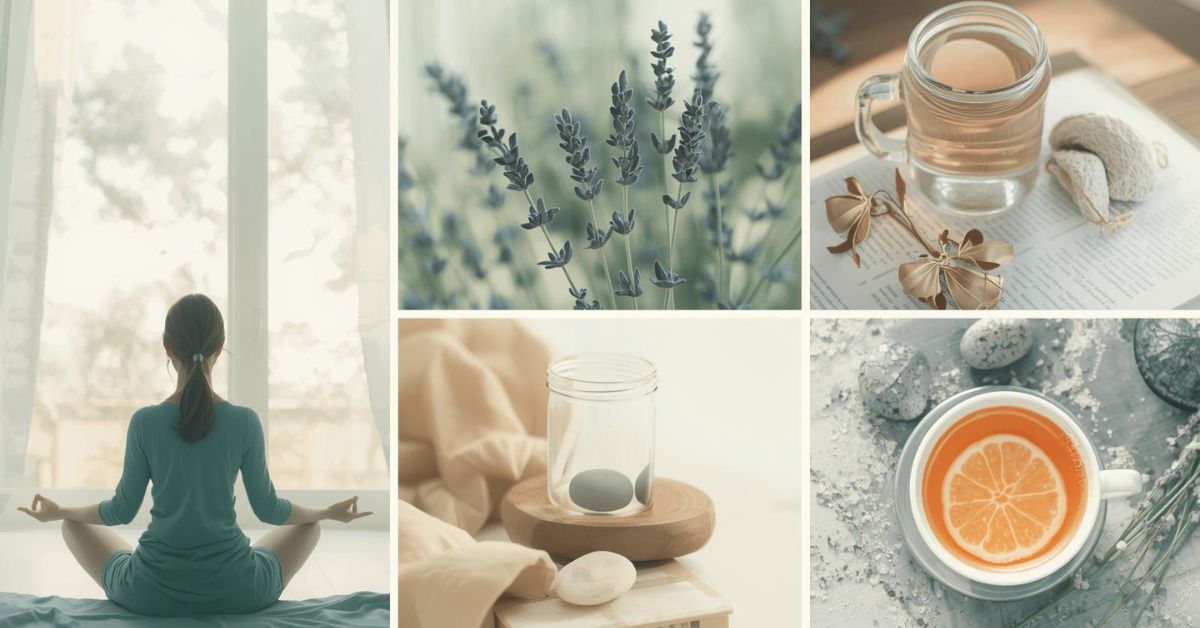
Self-care & wellness integration is changing lives in 2026. It brings together daily habits, technology, and community for a happier, healthier lifestyle. This guide will help you understand self-care & wellness integration and show you how to make it part of your daily life, easily and effectively.
What is Self-Care & Wellness Integration?
Self-care means caring for your mind, body, and emotions. Wellness integration is the practice of weaving these caring actions into your everyday routine. Together, self-care & wellness integration create a life where health and happiness grow each day. Instead of treating problems after they appear, you build a foundation for feeling your best—always.
Why Self-Care & Wellness Integration Matters
Many people miss out on true well-being. They focus only on work or ignore signs of stress. Self-care & wellness integration is important because it goes much further. It brings all parts of life into balance. When you take time for simple actions like deep breathing, healthy eating, or enjoying a walk, you support both your mental and physical health. These moments pile up and help you feel steady, energized, and ready for what life brings. Integrating wellness teaches your mind and body to bounce back from hard times and enjoy good ones even more.
Read More: https://groomingdiary.com/quiet-luxury-grooming/
The Lifestyle Impact of Self-Care & Wellness Integration
The impact of self-care & wellness integration is big and positive. People who add these small routines to their days report better sleep, stronger focus, and improved moods. Because self-care is not just about one part of you, it helps prevent both mental and physical burnout. When wellness is part of daily life, you enjoy more energy for your family, work, and hobbies. Over time, stress feels lighter. Healthy habits become natural instead of a chore. You might also notice fewer sick days and deeper happiness with your life.
Key Benefits of Self-Care & Wellness Integration
Building self-care and wellness integration into your routine delivers lasting benefits. You feel more in control and empowered. Small actions, like stretching or expressing gratitude, help clear your mind and relax your body. Science shows these routines reduce the risk of many health problems, lower anxiety, and boost your immune system. Self-care also keeps you focused—it’s easier to reach goals and build good relationships. Over time, you grow a strong foundation for well-being. Instead of fighting stress, you step above it.
Trends in Self-Care & Wellness Integration for 2026
The world of self-care & wellness integration is growing. In 2026, people use simple and smart solutions to care for every part of themselves. Personalized plans built with apps or smart devices are popular. You can track sleep, water intake, or even your feelings. Technology supports routines, but nature and human connection are just as important. More people join group walks, wellness classes, or use video calls to connect and share support. Mindfulness, rest, and eco-friendly habits shape new routines. People seek products and programs that are kind to the planet and help them feel good inside and out.
Everyday Strategies for Wellness Integration
You do not need to make big changes to benefit from wellness integration. Simple steps done each day matter most. Begin with a morning routine that helps you feel calm—maybe some stretching and a glass of water. Plan breaks during your workday for movement or a few deep breaths. Eat lunch away from your screen. Take an evening walk or enjoy time with a friend. Small actions, done with care, lead to big results over time. Even setting your phone aside for an hour in the evening can lower stress and help your mind rest.
Using Technology for Self-Care & Wellness Integration
Technology is a useful friend for self-care & wellness integration. Health trackers show your steps and sleep quality. Apps remind you to take breaks, drink water, or do breathing exercises. Online fitness classes let you join a community from your home. Telehealth makes it easy to get help from experts. However, it’s best not to rely only on tech. Combine smart tools with outdoor walks, real-life friendships, and activities without screens. This balance creates the strongest support for your well-being.
Table: Simple Ways to Start Self-Care & Wellness Integration
| Activity | Description | Time Needed | Tools/Support |
|---|---|---|---|
| Mindful Breathing | Focus on your breath for calm | 3-5 min | Free phone app/none |
| Stretching | Gentle stretches to awaken body | 5-10 min | Online videos/mat |
| Healthy Meal Prep | Prepare a colorful, balanced meal | 20-30 min | Meal planner app |
| Nature Walk | Walk in park or neighborhood | 10-30 min | Step tracker (optional) |
| Journaling | Write thoughts and gratitude | 5-10 min | Notebook/pen |
| Online Group Class | Join yoga, dance, or support group | 30-60 min | Zoom/fitness app |
| Digital Detox Time | Time away from screens | 15-60 min | Timer/phone settings |
Wellness Integration at Work and Home
Integrating wellness at work and home is easier than you think. Try standing or stretching every hour at your desk. Drink enough water and eat snacks full of fruits or nuts. During meetings, suggest a short breathing exercise to relax. At home, play calm music, spend time with family, or garden. These actions help your mind and body recharge. Over time, both your work and home life will feel less stressful and more joyful.
Real Life Examples of Self-Care & Wellness Integration
Let’s look at how self-care & wellness integration works for different people.
Sarah, a teacher, starts her day with a quick meditation and a walk before breakfast. This helps her feel calm in her busy classroom.
Tom, who works from home, sets reminders to stretch, eats away from his desk, and joins a weekly online yoga class. These routines keep him focused and less stressed.
Maria, a nurse, takes ten quiet minutes in the car after shift to breathe and relax before heading home. She also shares evening meals with her family, talking about the day without phones.
These simple routines show how anyone can blend self-care into life, step by step.
Best Practices for 2026
The top best practices for self-care & wellness integration this year are easy to follow. Personalize your routine—find what you enjoy. Pair technology (like reminders or online classes) with real-life habits (like family time or walks). Stay consistent, even with short daily activities. Make rest and sleep high priorities. Choose products and habits that are gentle on you and the environment. Join or build a community—support makes every habit easier and more fun.
Frequently Asked Questions about Self-Care & Wellness Integration
What does self-care & wellness integration mean?
It means adding simple, caring habits for your body and mind into your everyday life. You blend these habits so they become part of who you are.
How can I start self-care & wellness integration?
Begin with small steps like daily walks, short breathing sessions, or turning off your phone before bed. Over time, add more routines as you feel ready.
Is technology helpful for self-care & wellness integration?
Yes! Apps, trackers, and online communities make it easier to stick to routines and stay motivated. Just remember to balance tech with real-world activities.
Can families practice self-care & wellness integration together?
Absolutely. Families can cook healthy meals, walk together, or play outdoors. Shared routines build stronger family ties and support everyone’s well-being.
Does self-care & wellness integration help with stress?
Yes, it helps. Regular self-care routines lower stress, improve mood, and help you manage changes and challenges better.
Conclusion
Self-care & wellness integration is not a trend. It’s a way of living that makes every part of your life stronger and more joyful. In 2026, it is easier than ever to begin, with tech support, group programs, and lots of simple habits to try. Start with what feels right for you. Over time, these small steps will guide you to a happier, more balanced, and healthier life.